
A Group of Friends, a Phone List, and a Mission Too Big for Spreadsheets
It all started in late 2024 when Aidan O'Connor and a group of friends in Portland set out to fix something that didn't add up. Good food goes to waste every day in Oregon, while the Department of Corrections works with a daily budget of $3.01 per adult in custody.
The idea took shape during Aidan's fellowship with The Farmlink Project. The plan was ambitious and clear. Find surplus food across Oregon and get it inside.
The team started with hustle. They built a list of farms and food providers and began making calls. They logged every rescue in a spreadsheet, then entered it again in a food waste calculator to measure their impact. The work was getting done, but the mission was growing faster than the tools could keep up. Then a partner at Urban Gleaners pointed them to Careit.
Learn how Nutrition Inside's partnership with Careit helped the team grow monthly food rescue from 638 to 9,553 pounds, expand its donor network 10x, and build the data behind its biggest grant application yet.
About Nutrition Inside
Nutrition Inside is a youth-led food recovery program based in Portland, Oregon, working to ensure that all individuals, inside and out, have access to nourishing food. The team rescues surplus food from farms, bakeries, caterers, and food recovery nonprofits, then delivers it to correctional facilities and community partners statewide. Nutrition Inside became an official Growing Gardens project in August 2025. The Portland nonprofit has spent nearly 30 years growing food in backyards, schools, and correctional facilities, including its Lettuce Grow program, which brings hands-on garden education to incarcerated students across Oregon.
on
The Problem
Great Intentions, Cold Calling, and Hours Lost to Data Entry
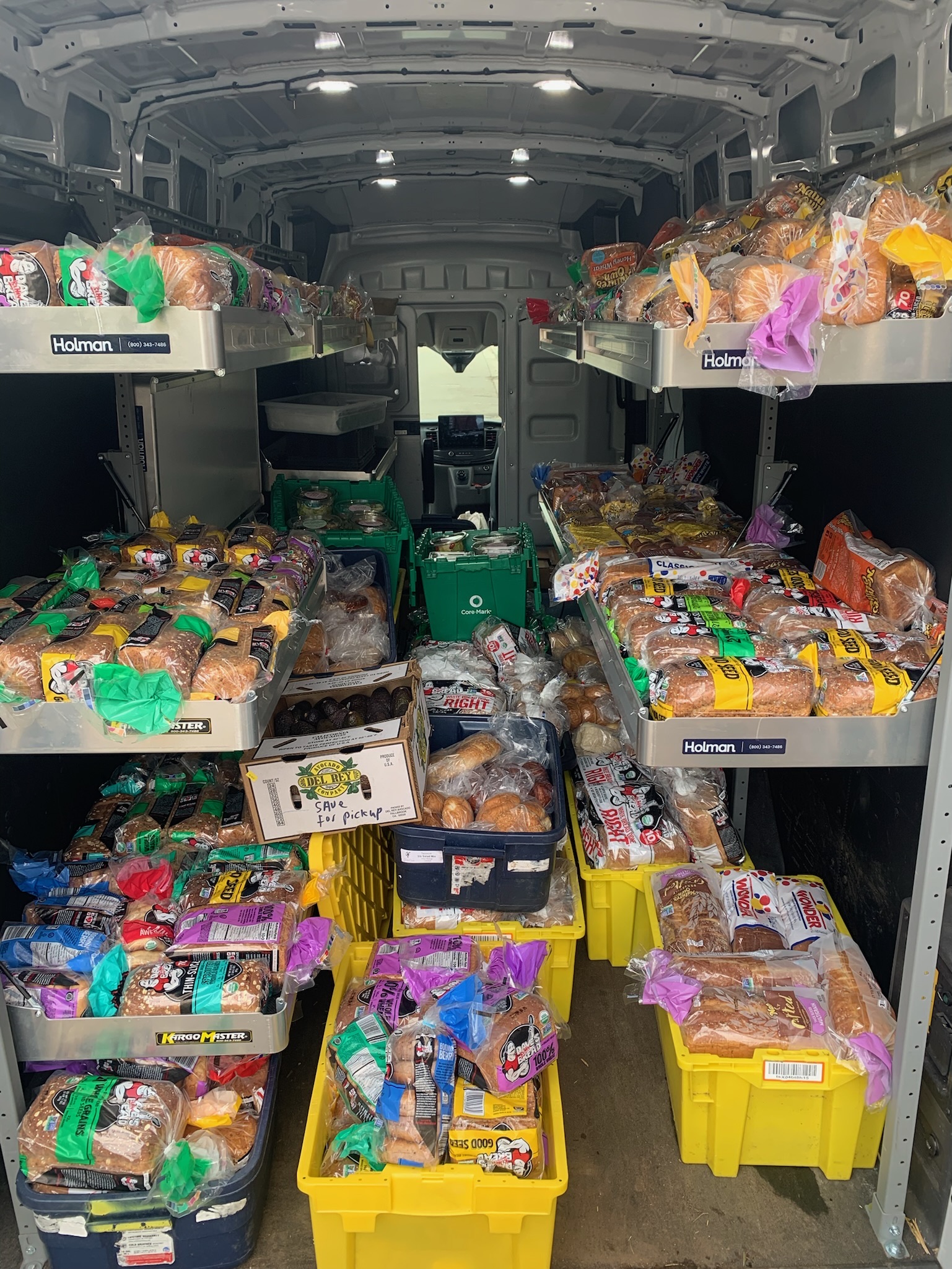
Nutrition Inside had strong partners early. Dave's Killer Bread, a company known for second-chance employment for people leaving Oregon's correctional facilities, shared the team's values and signed on for consistent weekly deliveries. Whole Foods contributed in-kind donations. Those partners gave the team a steady base. The challenge was building on top of it.
Every new donor took months to win
Finding new food meant working down a call list. One call could turn into a new phone number, a callback that never came, and two rounds of follow-up emails. Large venues were even harder to reach. Without a track record, Nutrition Inside had no easy way to show a venue it was a safe partner or could provide reliable reporting data needed for tax credits and compliance.
Relationships through other nonprofits like Urban Gleaners worked better than cold calls, but they still took time. As a new organization, Nutrition Inside also had to earn trust with every donor, and some wanted to see a more established system before they committed.
“Building a relationship with a food donor meant calling, emailing, and stopping by their office to say, 'I promise you can trust me with your food. Just give us a chance.' Sometimes that worked. A lot of the time, it didn't.” — Aidan O'Connor, Director, Nutrition Inside
Data entry pulled time away from the mission
Every rescue went into a Google Sheet with the donor name, the pounds, and where the food came from. Then the team entered the same data into a separate food waste calculator to measure environmental impact. Keeping it accurate took 2-4 hours every week.
Donor paperwork added more work. Some donors wanted an in-kind donation form for every single pickup, and during the pilot with Growing Gardens, each form went through Growing Gardens' business administrator and program director for review. The more the team rescued, the more paperwork piled up for everyone involved.
“When you're starting out, you have so many things to figure out. I would sit down to log our data and think, I could be spending my time on so many other things right now, but I have to do this. That was really frustrating.” — Aidan O'Connor, Director, Nutrition Inside
A clear goal: delegate the busywork
A mentor at The Farmlink Project gave Aidan advice that stuck. The more jobs you can delegate, the more your team can take on, and the more successful your organization will be.
Data entry was the first job Aidan wanted to hand off. To do that, he needed a system anyone on the team could learn quickly.
The Solution
A Marketplace That Turned Strangers Into Donors Within 24 Hours
Urban Gleaners' advice was simple: Donations go up on Careit all the time, and if you're fast, you can claim them.
About a month after launch, Aidan signed up and set a rule for the team. Never say no to a donation.
Careit gave him two things at once:
The marketplace surfaced donations from businesses he had never met, which he could claim in a few taps.
It also gave the team a record-keeping tool built for food recovery work, so the weekly bread deliveries and summer produce hauls stopped living in a spreadsheet and joined everything claimed on the app.
Every delivery out to a correctional facility or community partner is recorded the same way. One unified dashboard shows every pound coming in and every pound going out and automatically calculates the environmental impact.
Creating new relationships in a day, not months
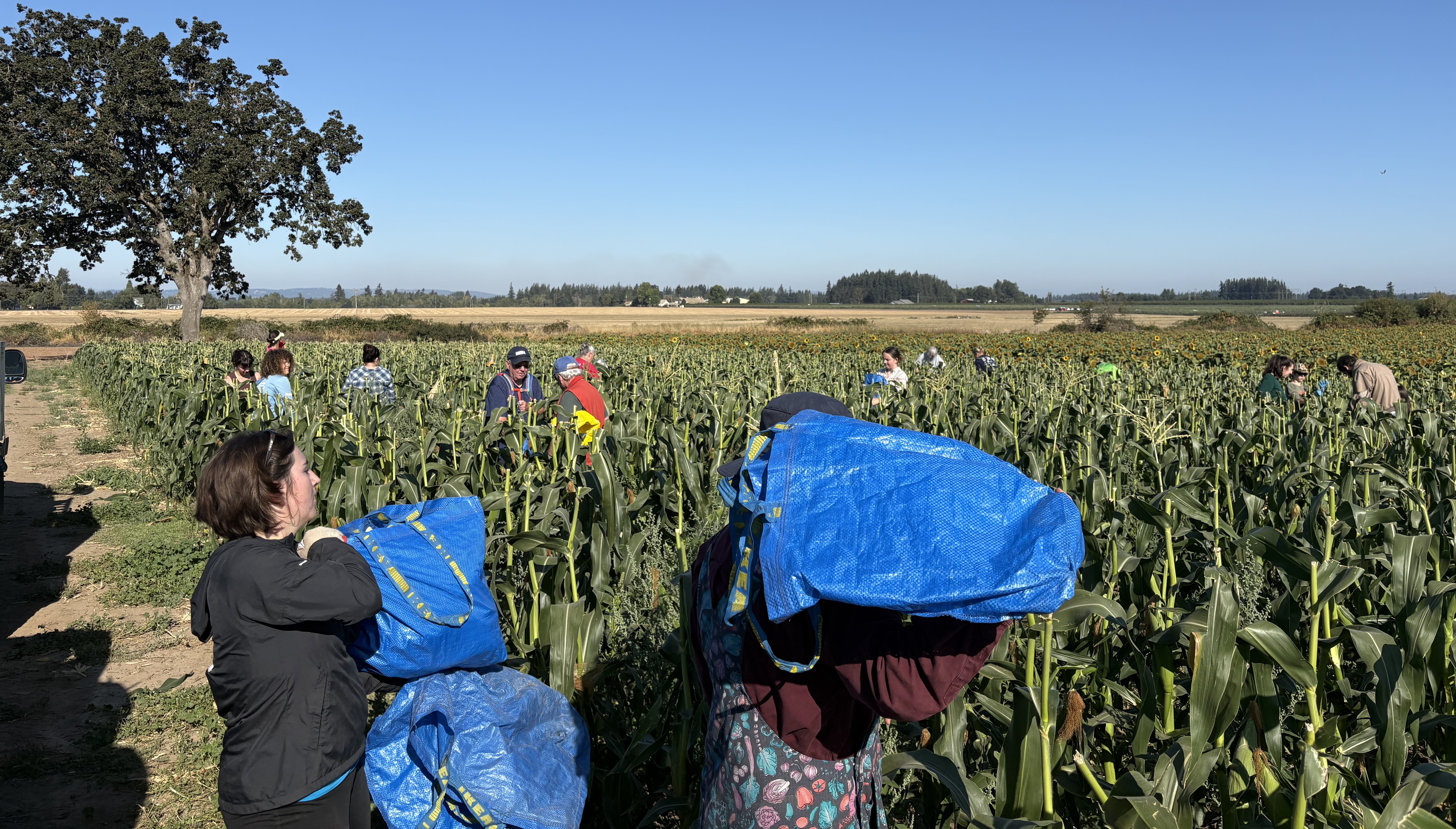
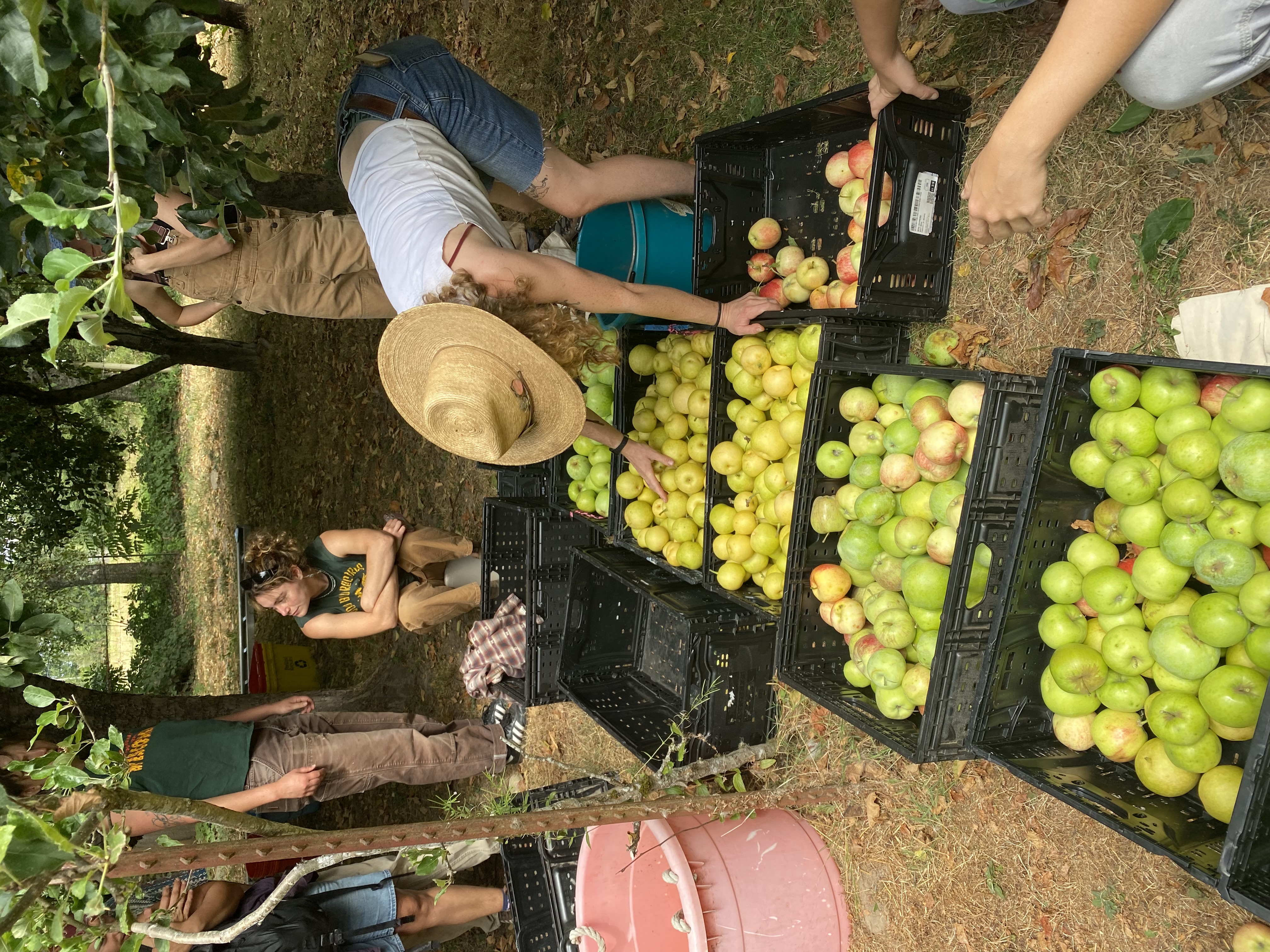
One of the team's early Careit rescues was 330 pounds of apples from the hospitality team behind one of Portland's large event venues.
It was exactly the kind of donor Aidan had never been able to reach by phone. On Careit, he messaged the donor’s contact, picked up the apples, and learned why it was so easy. Their team simply uses Careit to donate.
That is the other half of how Careit works. Large companies come to the platform to run food donation as one cohesive program across every location, with the partner vetting, signed agreements, and insurance documentation their legal and safety teams require, plus the clean donation data their sustainability teams need for ESG reporting. Once those mechanisms are in place, the food shows up on the app where nonprofits like Nutrition Inside can claim it. Careit brings the network of donors to the network of agencies.
“On Careit, you see a donation from an organization you've never worked with, you click accept, and within 24 hours you've built that relationship. That was the biggest surprise for me.” — Aidan O'Connor, Director, Nutrition Inside
Careit also solved the credibility problem. Donors worry about liability and about getting proper documentation from a group they've never worked with. On Careit, the receiving organization is verified, an agreement is generated automatically, and every pound is recorded, so a new nonprofit arrives with the paperwork already handled. Aidan estimates 60 to 70 percent of Nutrition Inside's partner relationships trace back to Careit.
What a rescue looks like today
Partners like Vibrant Table—a prominent caterer in Portland, Oregon, that prides itself on providing their clients with the opportunity to donate surplus food to local charities frequently utilizes Careit.
The catering company’s donations typically fall into two categories: surplus from catered events and excess grab-and-go meals. Since February 2025, Vibrant Table has rescued and donated more than 17,000 pounds of food, contributing to thousands of meals for individuals and families in need across Portland.
Here is how a recent Vibrant Table rescue came together:
Aidan checks his email first thing in the morning and sees a new donation posted on Careit minutes ago.
He’s the first organization to claim it in the app
His team arrives at Vibrant Table and tells the staff they’re with Nutrition Inside through Careit.
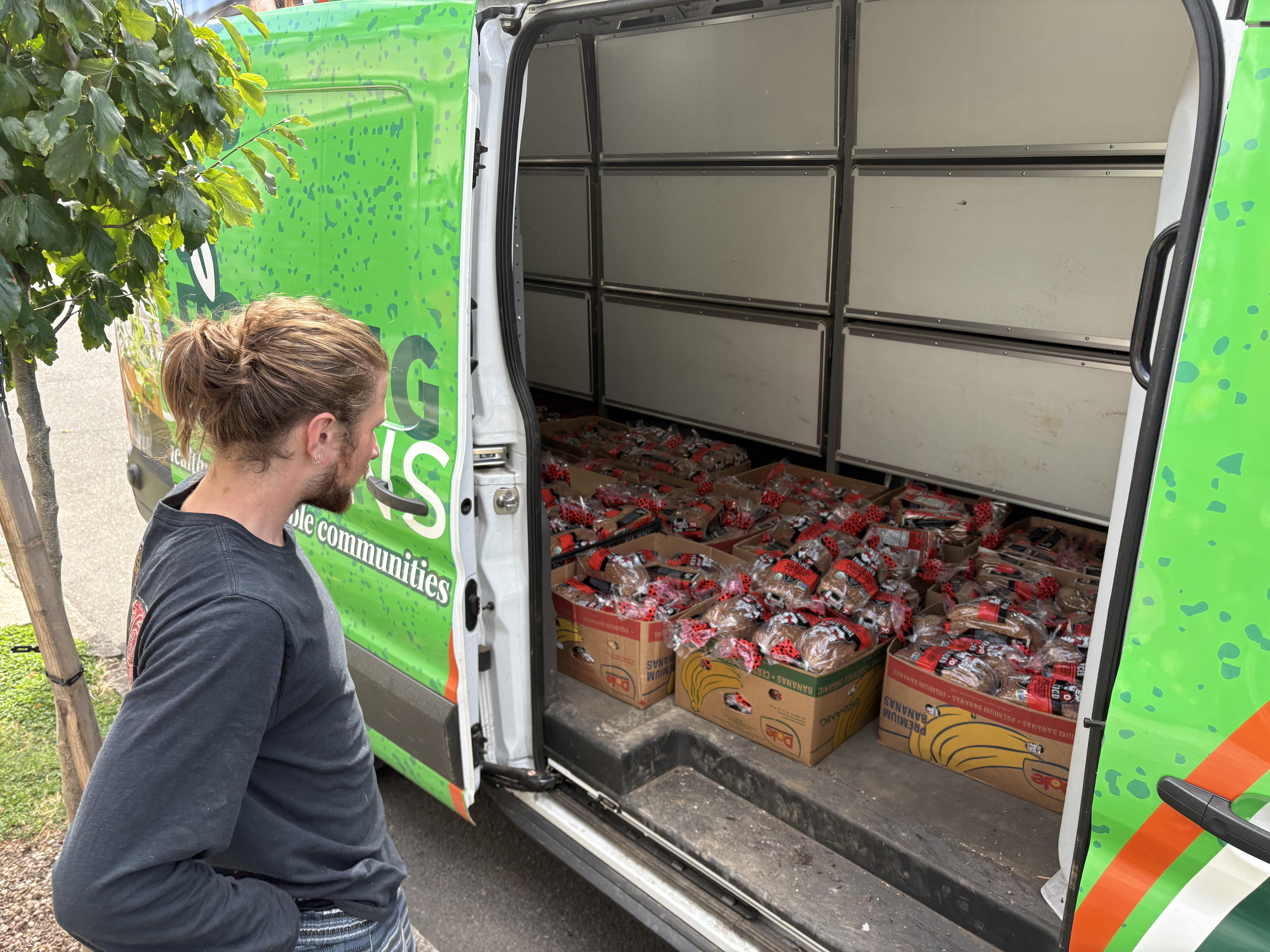
Staff shows them the food, and they load it into the van.
The food is then delivered to community partners.
There’s no phone tag, follow-up emails, or waiting to hear back from a vendor. Just click, claim, and pick up.
Simple enough for anyone to use
Aidan wasn't sure at first whether Careit would click for everyone on the team or just for him. The answer came with the team's first intern from Lewis & Clark College. He showed her the platform, and she was hooked right away.
Since then, every volunteer has picked up Careit quickly, including members who are less tech-savvy. Aidan can now train a team member on Careit in under an hour. That person turns raw pickup updates from the team's Slack channel into clean, organized records. The data entry job Aidan wanted to delegate is officially off his plate.
Impact data that is ready when they need it
Every rescue logged in Careit rolls up automatically. Profiles are created for every donor and recipient partner agency, with weights and pictures, for quick donation assignments. They can also see greenhouse gas emissions avoided and other impact metrics.
All-time totals, weekly and monthly trends, Excel exports, and donor tax receipts are ready whenever a donor, funder, or partner asks. The double entry is gone.
In-kind forms still go out, but now on a simpler six-month cycle. Donors trust the cumulative totals because the team can back them up with a detailed Careit log showing every rescue.
The Results
14x More Food, 4x More Donors, and a Seat at the State's Table
Since joining Careit, Nutrition Inside's growth has been exponential. The team rescued under 100,000 pounds of food in its first year. Halfway through their second year, it has already rescued well over 100,000 pounds.
The amount of food rescued went from 600 pounds per week to 9,553 pounds on average. With peaks of 20,000 to 25,000 pounds.
They started with 2 active donors, and now they have established relationships with more than 23 active donors.
Before Careit, their total rescued food was 776 pounds. Their current total, after two years, exceeds 200,000 pounds of food through 488 rescues.
“A big part of our growth is better donor relationships. With Careit, I can tell a donor exactly how much food they've given us in seconds. That makes us more reliable and more professional for people who trust us with food they worked hard to make.” — Aidan O'Connor, Director, Nutrition Inside
The data that earned them a permanent home
Nutrition Inside began as a six-month pilot with Growing Gardens. Throughout the pilot, the team used Careit to rescue as much food as possible and track every pound. When the pilot ended on July 1, 2025, they had a complete picture of their impact to share.
On August 1, 2025, Nutrition Inside officially became a Growing Gardens project. The move gave the team 501(c)(3) status, access to vehicles, and the support of an established nonprofit with administrative, operations, and payroll expertise.
“During our pilot, we were grinding on Careit, picking up as much food as we could and logging everything. At the end, we could show Growing Gardens a clear picture of all the impact we'd had. Anyone in the nonprofit world knows how important 501(c)(3) status is. That was our biggest leap, and Careit played an important role in making that possible.” — Aidan O'Connor, Director, Nutrition Inside
Their biggest grant application, written with confidence
Nutrition Inside recently submitted its largest grant application to date, a $380,000 request to the City of Portland. The grant focuses on environmental outcomes, including greenhouse gas emissions prevented and water saved. It also required a two-year projection of future impact.
Careit made the application far easier to write. The team already had impact data broken down by food category, week, and month, so every figure was ready to use. Clean historical data also let them project their growth with confidence. Growing Gardens' grant writer was impressed.
“Our grant writer told us, 'Wow, you have all of this incredible data. None of our other programs have this kind of data.' Because Careit breaks everything down by month and by food type, we could show exactly where we are and where we're headed.” — Aidan O'Connor, Director, Nutrition Inside
Donor and state partnerships built on trust
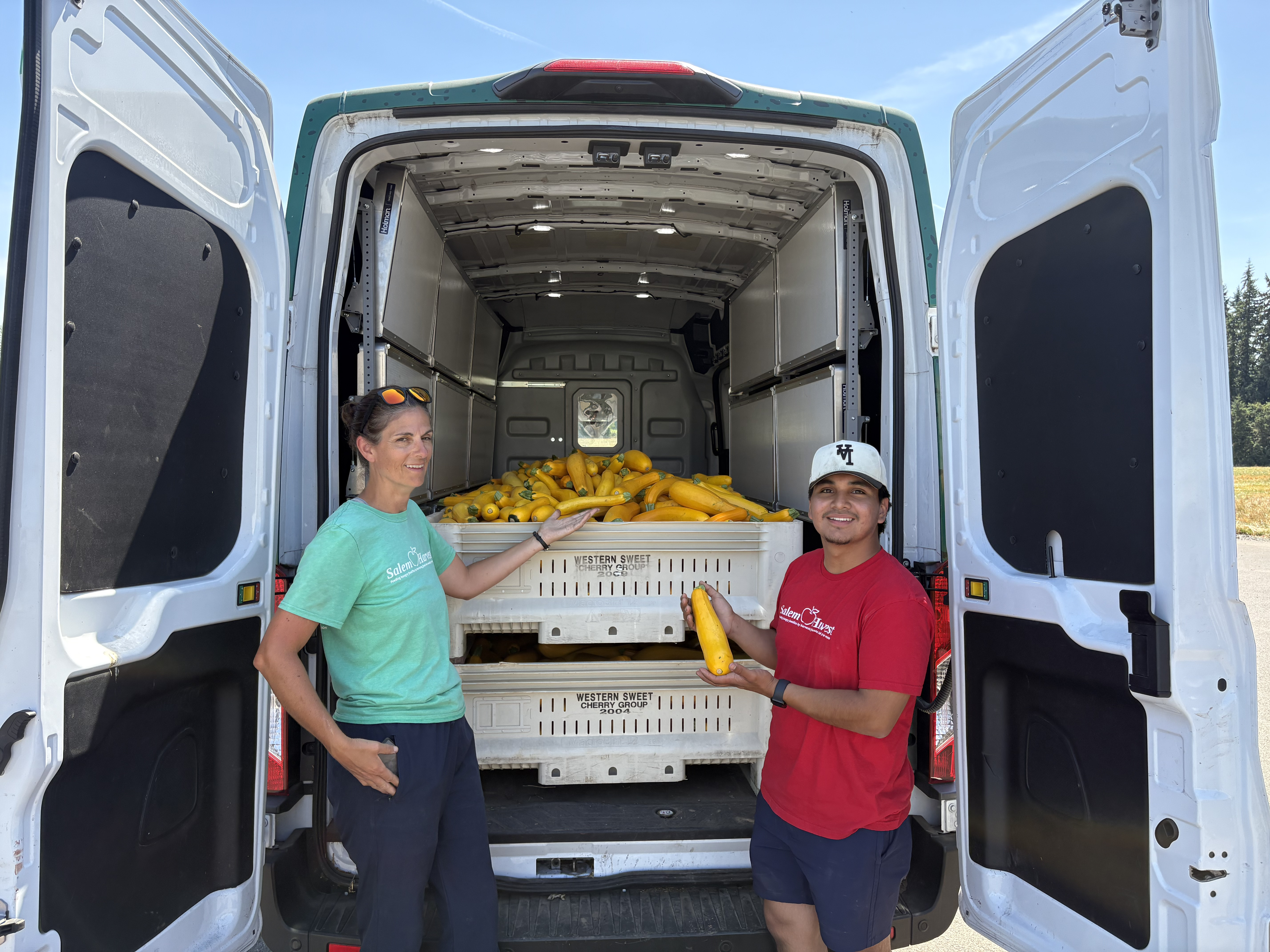
Accurate data keeps donors coming back. Dos Hermanos Bakery donated about 10,000 pounds of food to Nutrition Inside last year and needs a year-end total for its tax write-off. Aidan pulls that number from Careit in seconds, with no spreadsheet filtering and no guesswork.
The same data opened a door with the state. Nutrition Inside now works with the Oregon Department of Corrections on a statewide initiative to improve nutrition in Oregon's correctional facilities. When the department asked how much food Nutrition Inside had delivered to facilities to date, the team exported the numbers from Careit and filtered them in Excel.
“With a Google Sheet, answering the Department of Corrections would have been really, really hard. With Careit, it was simple. It shows that we're organized and that we've been tracking everything from the start.” — Aidan O'Connor, Director, Nutrition Inside
More time inside, where it matters most
The hours Careit gave back went straight into the mission. With encouragement from his supervisor, Reema Green, Aidan now teaches gardening classes inside one of Oregon's correctional facilities. He also has more time to build new partnerships and grow the program.
“I get to spend time with the people at the heart of what we do. That time used to go into spreadsheets.” — Aidan O'Connor, Director, Nutrition Inside
"Get on Careit"
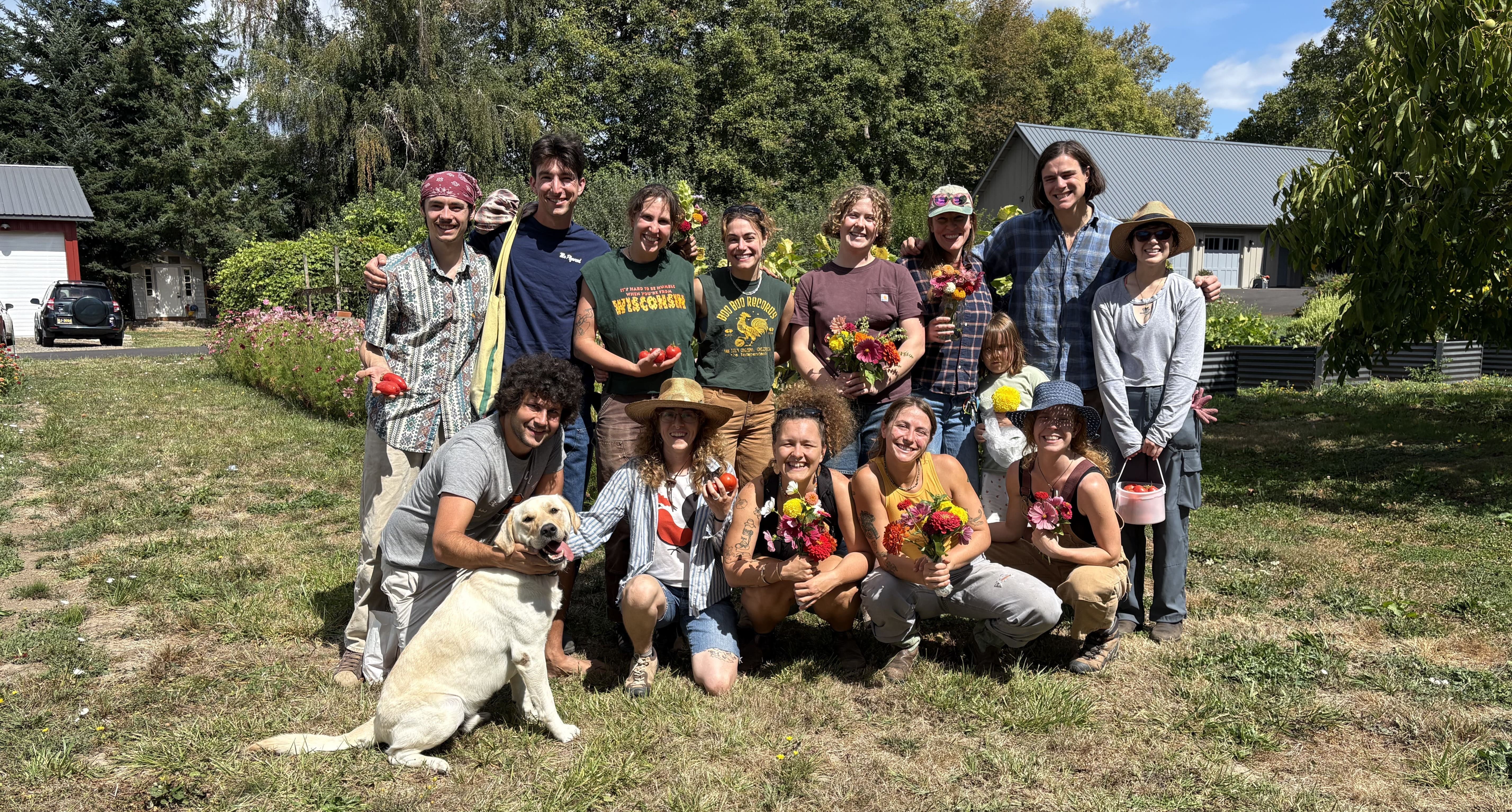
The team relies on Careit to find donors, coordinate pickups, track every pound, and answer funders and partners with confidence. Losing it would mean going back to spreadsheets, re-entering months of data, and chasing donors one phone call at a time.
“If Careit disappeared tomorrow, that would be a nightmare scenario. I seriously do not want to imagine a world without Careit. Nutrition Inside can attribute a lot of our success to this incredible tool.” — Aidan O'Connor, Director, Nutrition Inside
That's why he recommends Careit to every food recovery organization he meets. His advice to anyone still running on spreadsheets and phone calls: “get on Careit.”
In under two years, a group of friends with a phone list has become a trusted partner to local businesses, fellow nonprofits, and the Oregon Department of Corrections. Nutrition Inside has rescued more than 200,000 pounds of food and is still growing every month. With Careit handling the logistics and data, the team can stay focused where it belongs: getting good food to the people inside who need it most.